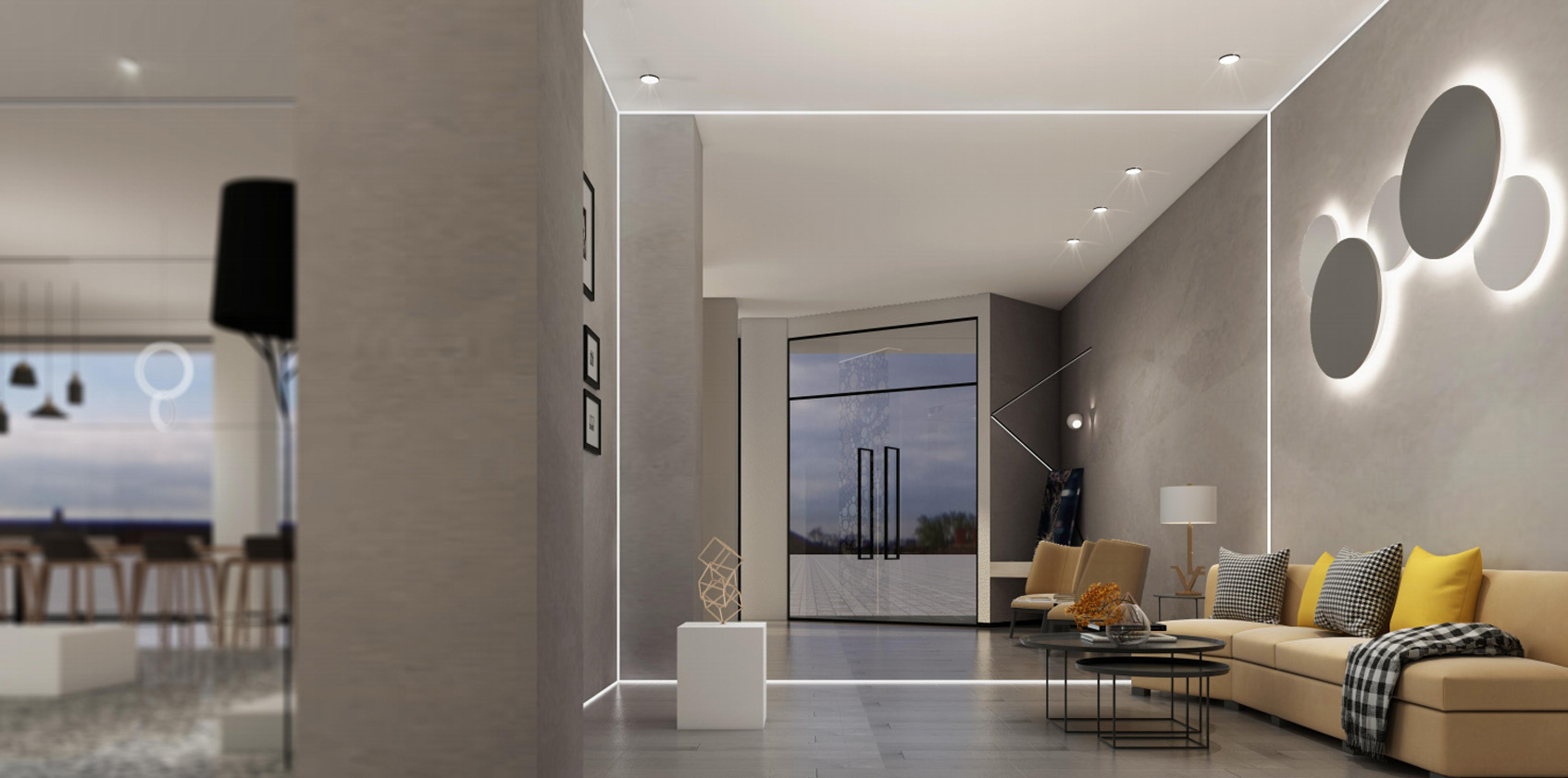
In addition to the soft and hard furnishings that are often mentioned, lighting is also a major factor that should not be overlooked when it comes to home comfort. Improper lighting installation can affect residents' sleep, mood, and other conditions. The editor reminds you to avoid the following common mistakes in daily life in order to create a scientific lighting environment that is both aesthetically pleasing, comfortable, and healthy.
1. The overall light source is too bright. In order to create a luxurious appearance, many people use excessive numbers of overly bright light fixtures during decoration, such as crystal chandeliers, spotlights, and recessed downlights. Some even install a complete circle of spotlights on the living room ceiling. This type of lighting lacks scientific planning, wastes resources, and can also cause significant stimulation to the eyes, easily leading to irritability.
2. Brightness levels are not differentiated. Different areas in a home serve different functions and therefore have different requirements for illumination levels. Generally speaking, areas such as living rooms, studies, and dining rooms should be brighter than bedrooms and kitchens, as this better conforms to the body's daily rhythm. A bedroom should ideally have at least three different types of lights installed. One should be a main light with a moderate wattage to avoid being too dazzling when turned on at night; another should be a table lamp. Many people like to read books or newspapers in bed, so the table lamp should preferably have adjustable brightness—turned up when reading and dimmed when watching television. You can also install a small night light with soft illumination 30 centimeters above the floor. Leaving it on at night makes it convenient to get up.
3. The contrast between light and dark is too strong. Indoor lighting should be kept as soft and uniform as possible, without glare or harsh shadows. To create special effects in certain areas, some people use light fixtures with opaque shades indoors, resulting in sharply contrasting light and dark areas. When a person's gaze shifts from a bright area to a dark area, the eyes need some time to adapt before objects can be seen clearly. Repeatedly doing so can easily cause visual fatigue.
4. The lighting is multicolored. When choosing light fixtures, some families often pursue a luxurious appearance while overlooking reasonable lighting needs, designing the lighting in a variety of colors. Disorganized lighting colors can not only damage eyesight but also interfere with the functions of the central nervous system in the brain.
5. Color temperature is not taken into consideration. When purchasing light sources, most people consider only illuminance and rarely consider color temperature. Generally, for indoor lighting, the main light source should have a cool color tone, while auxiliary light sources should preferably have a warm color tone. In addition, considering the purpose of each room, cool light sources are suitable for studies, living rooms, kitchens, and other areas, while warm light sources are suitable for bedrooms, bathrooms, balconies, and other areas.