LED lighting fixture design does not play the leading role; it always serves as a supporting role that enhances the main subject. Its presence makes the subject's expression more beautiful and vivid. Therefore, when selecting a suitable lighting tool or fixture, the following points must be considered:
1. When illuminating an object, pay attention to whether the light becomes dark beyond the 45° tangent line: there is a simple principle for judging the design of a functional light—when the light is switched on, the object should be illuminated, while the fixture itself should become darker beyond approximately the 45° tangent line. This indicates that the fixture has been correctly designed.
2. The fixture itself should not cause glare or excessive brightness interference: the design of all fixtures primarily uses light to interpret the design elements of the illuminated object, rather than to draw attention to the glare of the light itself. Otherwise, the eyes' peripheral vision can easily be disturbed by reflections from an excessively bright light source, making it difficult to comfortably appreciate the setting that the lighting equipment is intended to convey.
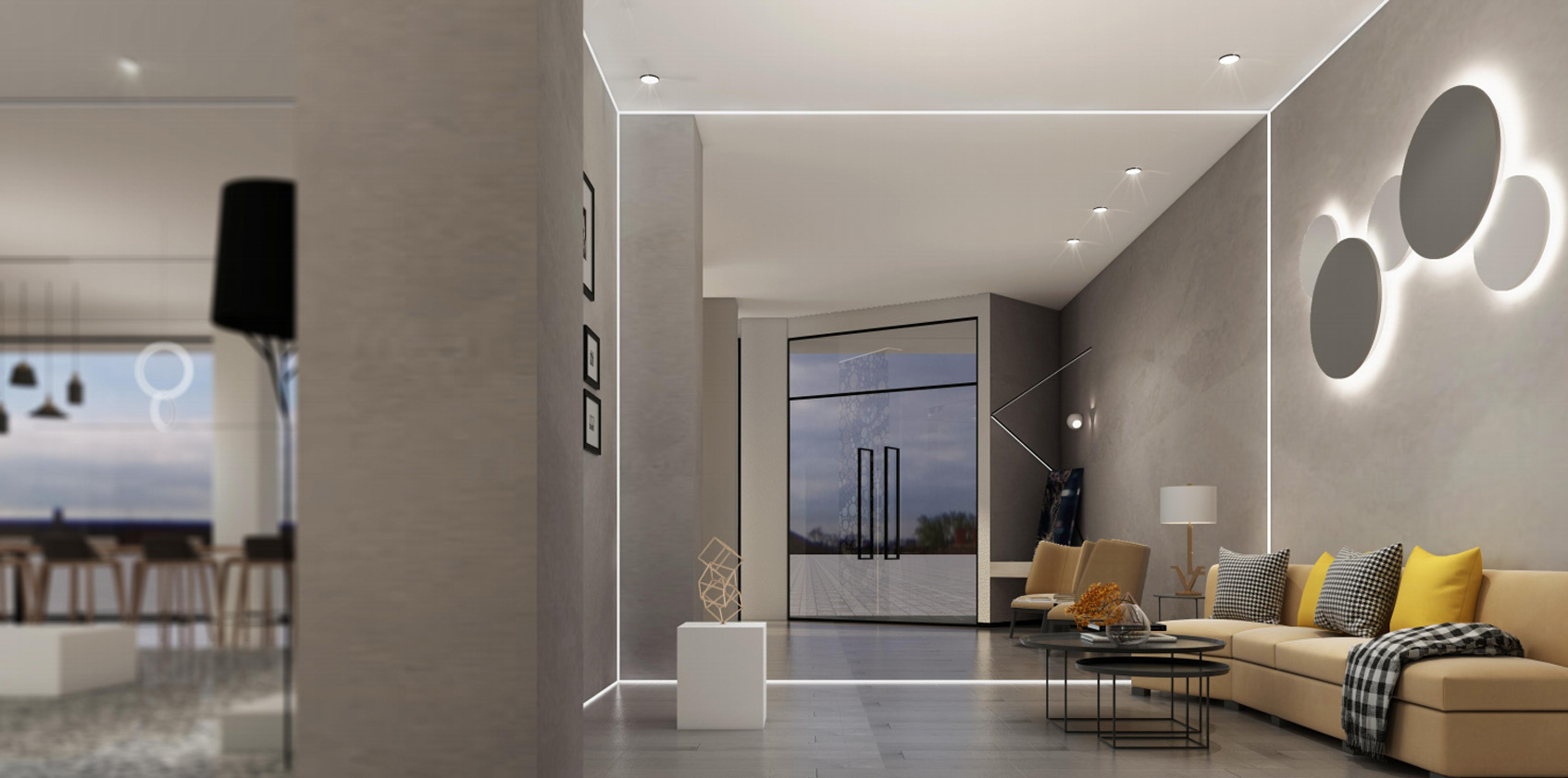
3. Use lighting to create refined effects and a sense of spaciousness: lighting fixture design does not necessarily require comprehensive illumination. In many cases, interpreting a space with localized lighting produces a more refined effect. Even using lighting to define or frame edges can be beautiful and cost-effective. Illuminating only a corner or creating an impressive ceiling design while leaving the center unlit can produce a more beautiful effect and even create a sense of spaciousness, or an effect as if the lighting were floating overhead, making the space appear higher.
4. Use lighting elements to balance the visual appeal of a space: the effectiveness of good LED lighting fixture design lies in the balance between the beauty of the lighting elements and the objects they are intended to illuminate. Residents should be able to see the illuminated objects without seeing the light source itself. Therefore, when using functional fixtures, the fixtures should not be excessively conspicuous or bright. Ideally, they should remain hidden; if they must be exposed, they should have an attractive appearance.