1. Functionality
Residential lighting design must meet functional requirements, which have been a fundamental human demand for light sources since the use of fire torches. However, when selecting lighting fixtures and designing lighting schemes, we choose different lighting methods and fixtures according to different spaces, occasions, and users, while ensuring appropriate illuminance and brightness.
For example, the lighting design of a conference hall should adopt vertical lighting, with evenly distributed brightness and no glare. General-purpose lighting fixtures are generally recommended. In contrast, shop windows and product display areas usually use strong lighting and accent lighting to emphasize the image of the products and attract customers' attention. At this time, the brightness of these areas should be 3–5 times higher than that of general lighting. In addition, we use lighting fixtures with strong directionality and colored light to enhance the artistic appeal of the products.
2. Aesthetics
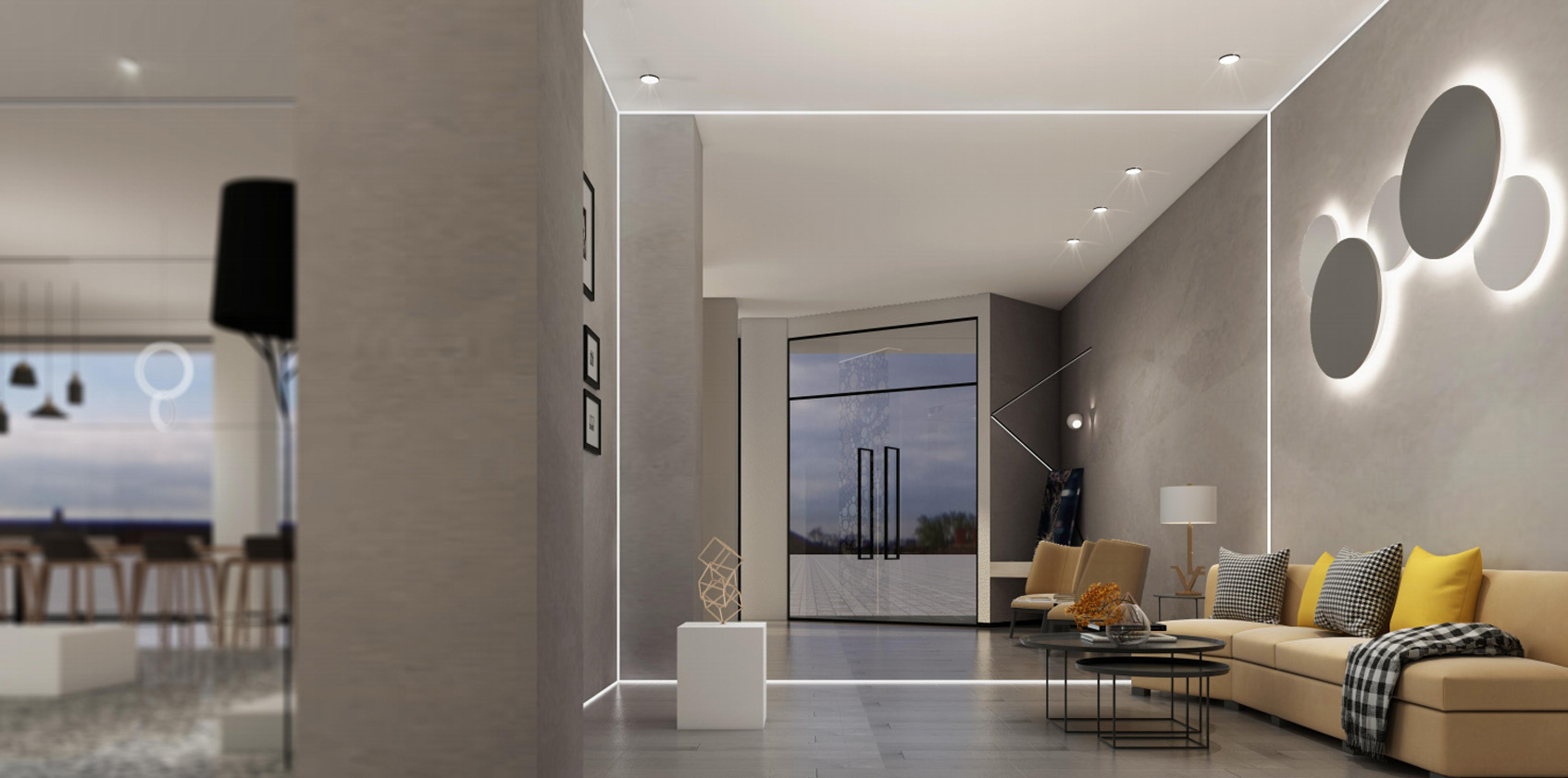
Residential lighting design is an important means of optimizing spaces and creating an artistic atmosphere. Decorative lighting is used to decorate indoor spaces, add spatial depth, and enhance the environmental atmosphere, making the lighting fixtures used particularly important.
In the design of modern residential interiors, theaters, commercial premises, and entertainment venues, interior lighting design has become an indispensable part of the overall design. It often serves as the finishing touch and reflects the quality and standard of the current architectural space.
3. Economy
More lighting fixtures are not necessarily better, nor is stronger lighting always preferable. The focus should be on scientific and rational planning. Interior lighting design aims to meet people's visual, physiological, and aesthetic needs, enabling indoor spaces to reflect practical and aesthetic value as much as possible and achieving the unified and coordinated development of functionality and aesthetics.
Many households and interior lighting designers like to use flashy but impractical lighting fixtures for excessive "decoration." In fact, we believe that this not only fails to enhance the overall effect but instead becomes counterproductive, resulting in excessive energy consumption and waste and potentially even harming people's health.