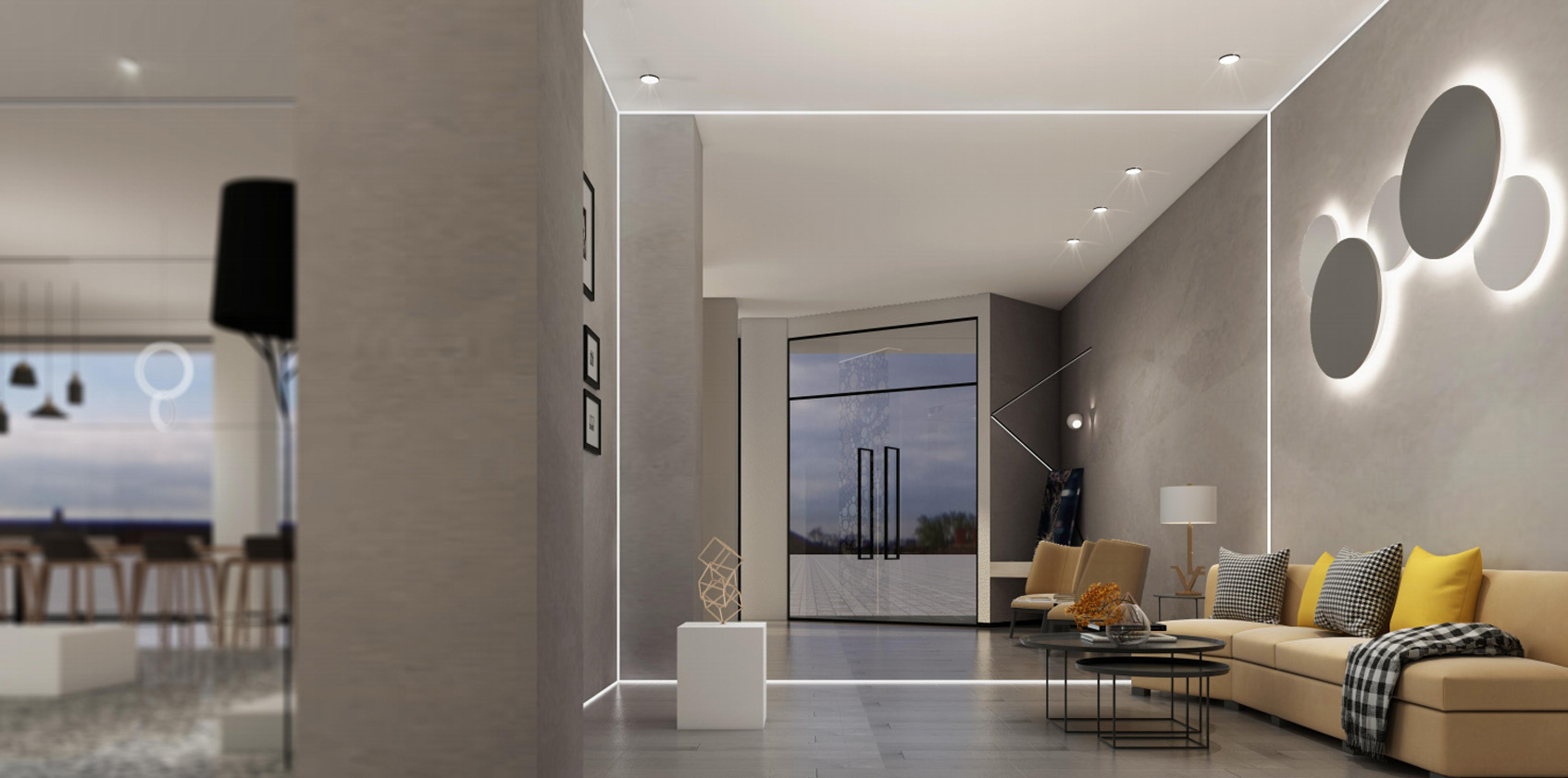
1. Functional Principle: Lighting design must meet functional requirements. Different lighting methods and fixtures should be selected according to the space, occasion, and users, while ensuring appropriate illuminance and brightness. For example, the lighting design of a conference hall should adopt vertical lighting, with evenly distributed brightness and no glare. Generally, comprehensive lighting fixtures are recommended.
2. Aesthetic Principle: Lighting is an important means of decorating and beautifying the environment and creating an artistic atmosphere. Decorative lighting and fixtures are essential for decorating indoor spaces, enhancing spatial layers, and creating the desired atmosphere. In the environmental design of theaters, cinemas, commercial buildings, and entertainment venues, lighting has become an integral part of the overall design. Lighting fixtures not only provide illumination but also place great emphasis on their form, materials, colors, proportions, and scale. They have become indispensable decorative elements in a space. Through the rhythmic control of light and shade, concealment and exposure, emphasis and suppression, and light intensity, lighting designers fully utilize the brilliance and color of light. By employing transmission, reflection, refraction, and other techniques, they create artistic atmospheres that are warm and gentle, tranquil and elegant, pleasant and romantic, brilliant and splendid, grand and magnificent, joyful and festive, lively and rhythmic, mysterious and unpredictable, or hazy and enigmatic, adding rich and varied interest to people's living environments.
3. Economic Principle: Lighting is not necessarily better when it is more abundant or stronger; the key is to ensure scientific and reasonable design. Lighting design aims to meet people's visual, physiological, and aesthetic needs, enabling indoor spaces to reflect practical and aesthetic value to the greatest extent and achieving unity between functional and aesthetic purposes. Ostentatious but impractical lighting fixtures may not enhance the environment and may instead be counterproductive. They can also cause excessive electricity consumption, energy waste, and economic losses, and may even result in light pollution that harms people's health.
4. Safety Principle: Lighting design must be absolutely safe and reliable. Since lighting is powered by electricity, strict safety measures must be implemented to prevent electric shock, short circuits, and other hazards and avoid accidents.
Lighting brightness standards vary according to the intended use and the required clarity of visual recognition, so different standards should be selected accordingly.